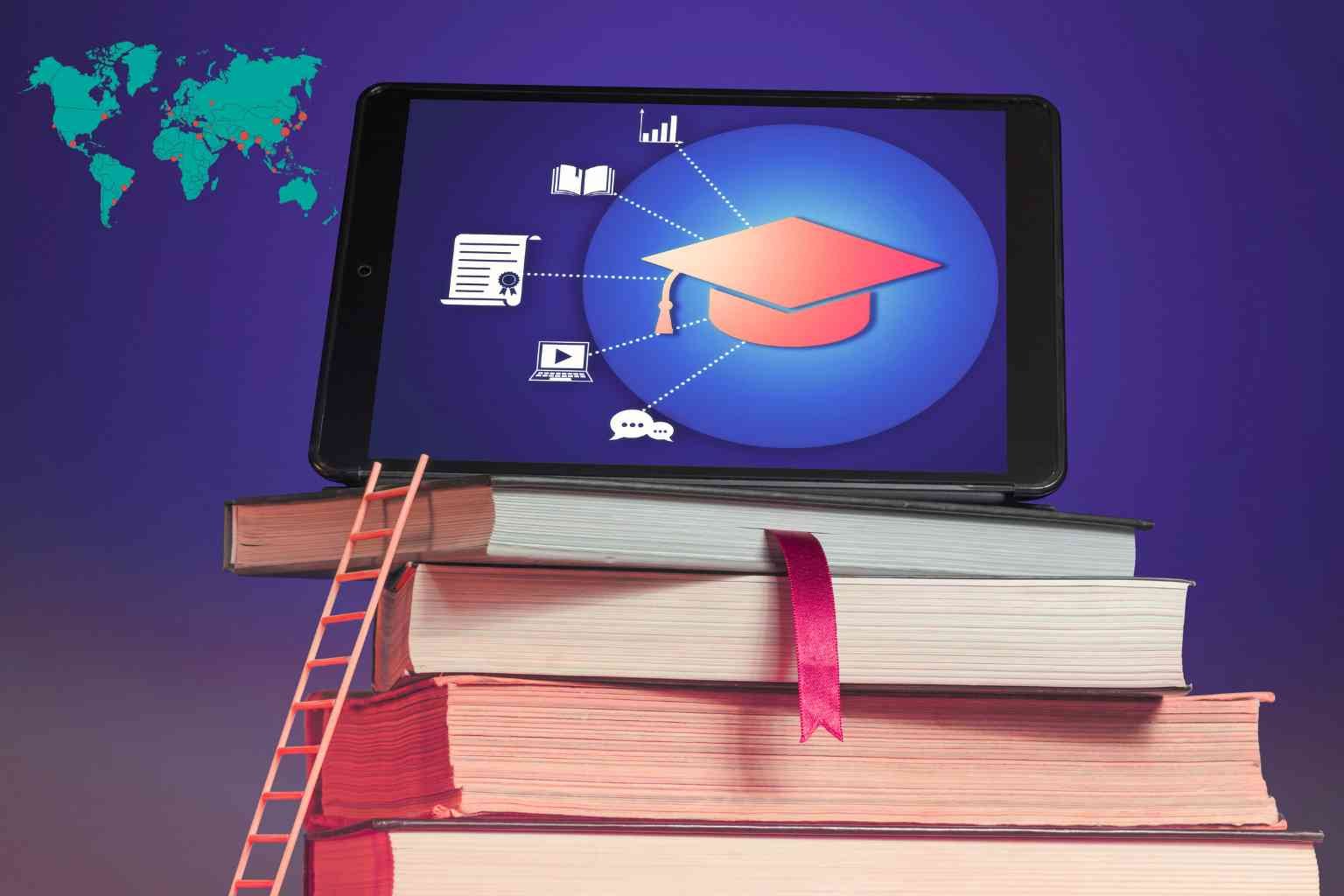
Distance is no longer a barrier for education. And with the proliferation of digital platforms and rapid internet, students from all over are able to learn alongside each other in a shared virtual environment. Online schools around the world have changed how knowledge is taught and learned resulting in access education has become easier, more flexible and varied. And this change means that traditional learning models are transforming and new doors are opening for students everywhere.
1. What Are Global Online Classrooms
The term “global online classroom” refers to the online learning space in which students and teachers are linked to one another from around the world. Students are engaged in lectures without the need for a physical presence with video classes, online discussion boards and sharing tools.
2. Why Online Learning Will Continue to Grow Worldwide
The access walls to education are falling. For Students Students no longer need to move or travel far away to get the excellence of education. Internet classrooms are convenient, due to easy access and can be far more cost effective bringing learners from all walks of life.
3. Increased Access to Quality Education
Students can attend online classes from schools in other countries, with teachers and experts from around the world. This opens up availability to small, niche classes that are not accessible in your area.
4. Cultural Exchange and Diversity
Studying abroad fosters cultural sensitivity. Students are exposed to alternate points of view, different traditions and ideas. It also improves critical thinking and global awareness.
5. Benefits of Global Online Classrooms
There are several benefits of online global learning environments:
- Flexible learning schedules
- Broader course options
- Travel and accommodation cost reduction
- Cross-cultural collaboration
- Development of digital communication skills
These are advantages that serve the needs of contemporary education.
6. Technology Enabling Global Classrooms
Institution of higher learning: Advanced digital means and ways make education possible from the relative safety of home.
- Video conferencing platforms
- Learning management systems
- Cloud-based collaboration tools
- Online assessment systems
- Interactive multimedia resources
These are engaging learning technologies.
7. Supporting Career Readiness
Virtual classrooms in the world prepare students for global workplaces. And exposure to diverse peers strengthens communication and collaboration skills that are essential to a career in the global economy.
8. Challenges in Virtual Learning
Though advantageous, virtual classrooms are not free from their own sets of issues, mainly time-zone conflicts, network connectivity problems and lessened personal interaction. These concerns can be mitigated through organized planning and solid digital foundations.
9. Role of Teachers in an Online Environment
Teachers are adjusting their approaches to get students involved online. Live chats, multimedia and instant feedback are designed to keep students engaged. Direction is as important in digital realms.
10. The Future of Global Education
With technology getting better, online classrooms around the world will probably grow even more. Hybrid models that incorporate both in-person and remote instruction may become the norm. Education is going to a more connected, borderless future.
Key Takeaways
International classroom Global online classrooms are not only about providing education; they help promote intercultural understanding and prepare students for international careers. Now, aided by digital technology, learning is also more flexible and accessible at a global level.
FAQs:
Q1. What is an international virtual classroom?
It’s a virtual classroom where students from across the world learn side by side.
Q2. Do online classrooms work for all?
Yes, with strong technology and engagement strategies.
Q3. What are the advantages of global e-learning?
Flexibility & Diversity The world s expertise in the palm of your hand.
Q4. Do global online classrooms lead to better jobs?
Yes, they foster global communication and collaboration skills.
Q5. Will online schools usurp traditional classrooms?
They may supplement rather than supplant traditional education.b