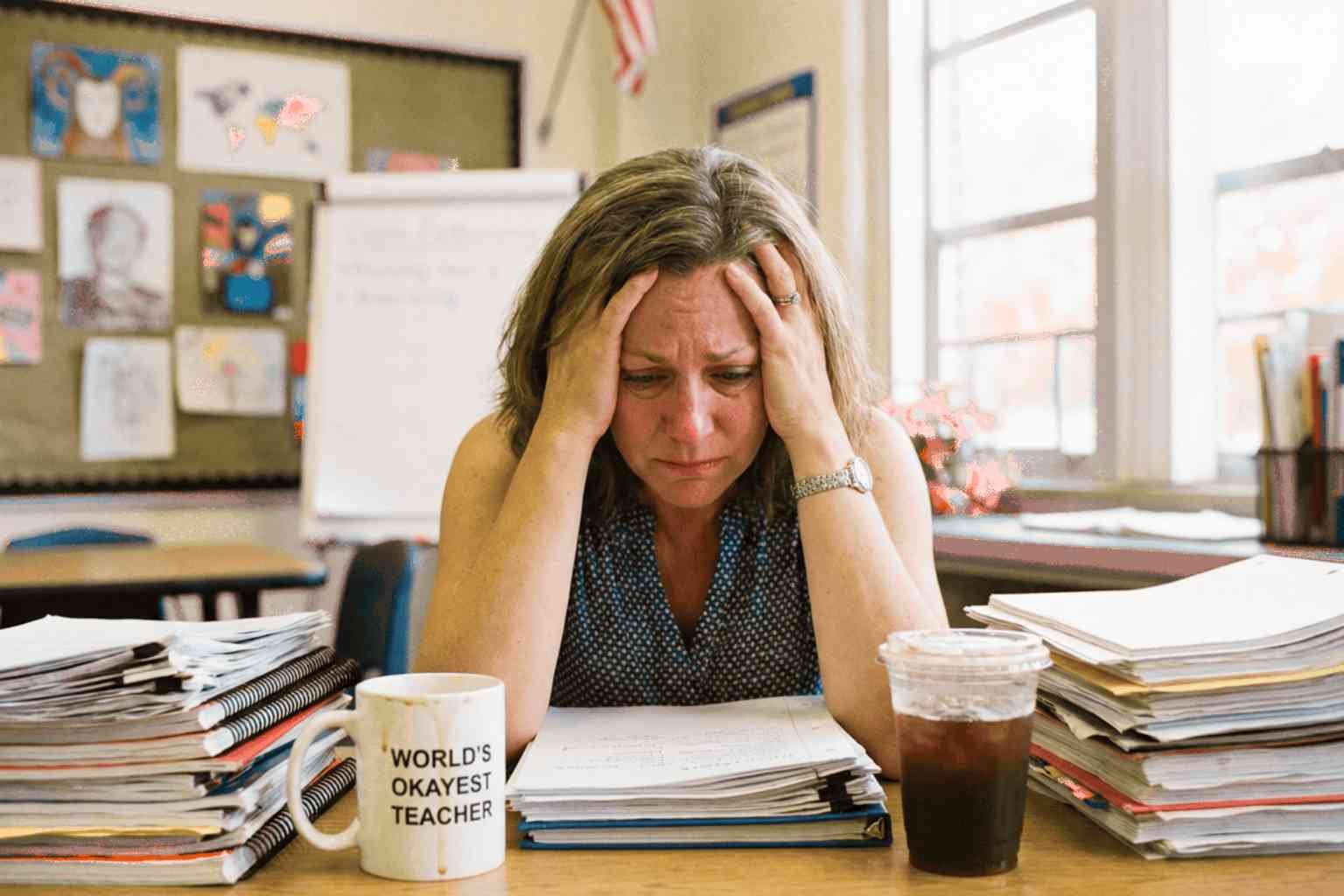
Stress is part of life, it’s normal. In the short term, some stress can even help you focus and make you alert. But when stress goes on for weeks or months without relief, it is termed chronic stress. This chronic pressure doesn’t just shape the mind. It slowly damages physical health and cuts years off life. People are better able to take early action if they understand how chronic stress affects the body.
1. What Is Chronic Stress
Long-term stress arises when an individual feels overwhelmed or pressured. It could be stress from work or money troubles; it could be fighting with a partner, or worrying about their health. Unlike stress that is temporary, it does not subside as fast and holds the body in a state of tension throughout.
2. What Happens to the Body in Stress
When you’re stressed, your body releases stress hormones like cortisol and adrenaline. These hormones ready the body for action.They are a messenger in some ways. Pulse rises, breathing gets faster and muscles tighten up. In the short term, that wreaks havoc on organs and systems.
3. Chronic Stress and Effects on System of Major Organs
The human body is affected by chronic stress in several ways:
- Cardiovascular system, raising blood pressure
- Reduced resistance to infection, immune system
- Digestive system, causing stomach discomfort
- Muscles, tensing and pain
- Endocrine system, disturbing hormone balance
These effects all contribute to a decrease in the wellness of a whole person.
4. Impact on Heart Health
Persistent stress means high blood pressure and more strain on the heart. This can result in heart disease, abnormal heart rhythms and an increased risk of stroke. Stress management is a significant element to help maintain healthy heart.
5. Weakened Immune Function
There is a weakening of the body’s ability to fight infections when someone is under significant stress. Those living under chronic stress tend to get more colds, heal more slowly and experience feeling tired. A strong immune system depends on optimal hormone levels and adequate sleep.
6. Digestive and Metabolic Changes
Digestion is impaired by stress in part because it restricts gut movement and acid production. It can lead to changes in appetite, bloating or stomach pain. Chronic stress can also affect the metabolism, causing either weight gain or loss.
7. Muscle Tension and Physical Pain
Day-to-day stress leads to klumpy, knotty muscles which will inevitably settle into that thick neck and shoulder of yours. This tension can cause headaches and other types of pain. Bad posture can also exacerbate your pain, as well as stress.
8. Signs You’re Under Chronic Stress
Recognizing symptoms early is important:
- Constant tiredness
- Sleep disturbances
- Frequent headaches
- High blood pressure
- Irritability and mood changes
The early awareness can prevent long-term damage.
9. Unhealthy Habits Linked to Stress
Unhealthy habits usually set in, stemmed from chronic stress. Others eat too much, skip the exercise, rely on caffeine and cigarettes. Physical harm is compounded by the stress and the cycle of illness caused by these activities.
10. An Effective Guide on How to Deal With Chronic Stress
Stress-Relief Must Be A Lifestyle Fact is you can’t handle stress as it comes. Exercise regularly to boost mood and circulation. Deep breathing and meditation soothes the nervous system. The body recharges with sleep and good nutrition. Professional help can also bring relief when it’s called for.
Key Takeaways
Persistent stress can impact your heart, immune system, digestion and muscles. Becoming aware of symptoms and healthy coping mechanisms like exercise, sleep and relaxation can prevent long term physical health damage.
FAQs:
Q1. What causes chronic stress?
Chronic stress can be the result of long-term pressure at work, financial problems or personal problems.
Q2. Can stress damage the heart?
Yes, chronic stress shoots up blood pressure and hardens the strain on your heart.
Q3. How does stress affect immunity?
It suppresses the immune system and makes infections more likely.
Q4. What do you think are signs/symptoms of chronic stress?
Fatigue, headaches, difficulty sleeping, and mood changes.
Q5. Can chronic stress be reversed?
Yes, good habits and professional help can reduce its impact.
