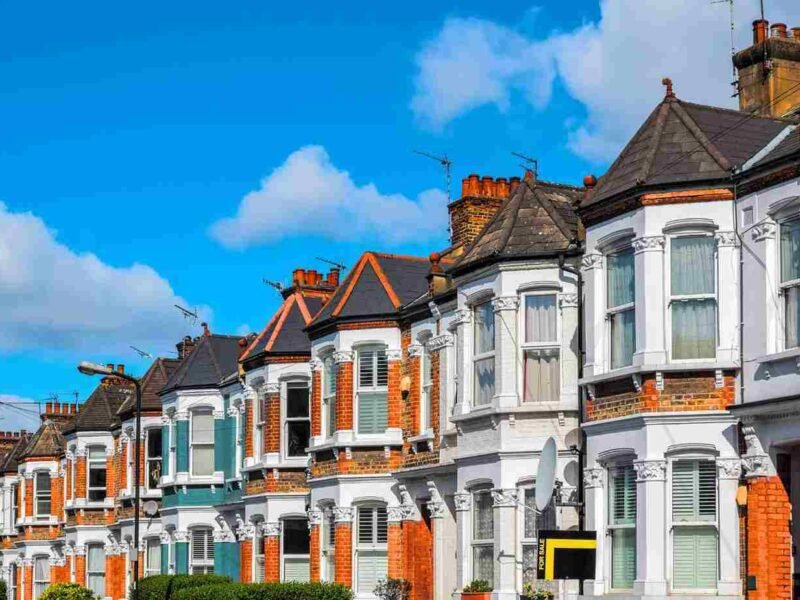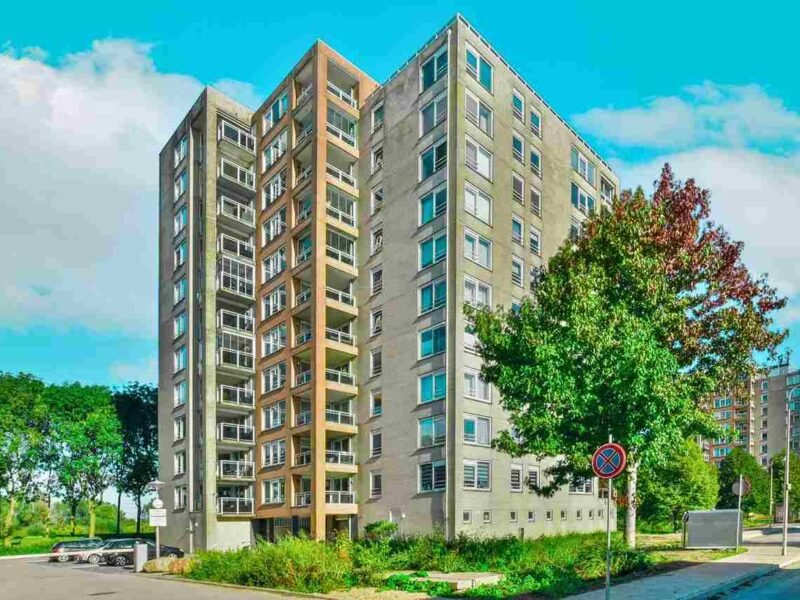
The urban high-rise was long an embodiment of modern city life in many places. But there’s a conspicuous change occurring in real estate. There is strong demand among homebuyers for low-rise premium housing projects. Because neighbours below and above are tended to on relatively few floors, these types of properties can be more exclusive, quieter and more private. For a lot of buyers, the mix of luxe and liveable is what makes low-rise luxury housing a better choice than high-rise living in crowded buildings.
1. Greater Privacy and Fewer Neighbors
The top advantage with low-rise is naturally density. With fewer units per building, residents have more privacy and less noise. This makes for a peaceful way of living that many families and professionals find suitable.
2. Lower population density within the village
Low-rise buildings typically house fewer people than towers. This translates to less congestion in shared spaces, such as common areas, elevators, parking zones and amenities. The vibe is more open and less crowded.
3. Premium and Boutique Living Experience
Low-rise residential buildings tend to be boutique living. Developer focuses on “quality”, rather than quantity.
- Limited number of exclusive units
- Larger floor plans
- Better architectural detailing
- High-end finishes and materials
- Spacious balconies and terraces
These amenities draw buyers looking for luxury with privacy.
4. Improved Safety Perception
Some buyers feel safer in low-rise buildings, which can be evacuated more easily than hi-rises and whose residents can access them more directly during an emergency. Holed up One of those is a return to pre-coronavirus working patterns, as long as it’s God or someone who normalises that The last of them to start catching on again are the elderly And among that group, those whose families will increasingly prefer not to live in fourth-floor flats plus lift.
5. Strong Demand From Luxury Buyers
Even HNIs and upper middle class families are opting for low-rise developments.” The exclusivity element provides status and more communutiveness.
6. Better Access to Open Spaces
Low rise is more likely to leave space for landscaping and outdoor areas.
- Private gardens and green lawns
- Walking paths and open courtyards
- Rooftop terraces
- Children’s play areas
- Community gathering spaces
It serves as the unique design and function of easy life-and-health.
7. Post-Pandemic Lifestyle Shift
The pandemic made housing preferences more volatile. Buyers are not looking space, privacy with open spaces. Housing in low-rise buildings fits all these requirements by containing less common areas and being more hygienic.
8. Easier Maintenance and Management
It is generally easier to manage a smaller residential building. Maintenance workers are better able to manage services, and residents experience fewer backlogs in repairs and upkeep. This improves long-term living satisfaction.
9. Balanced Urban Living
Low-rise luxury accommodation provides a happy medium between independent villas and high-rise flats. It offers community advantages but still maintains the privacy of standalone homes. This hybrid appeal increases demand.
10. Investment and Resale Potential
Because of restricted supply and high demand, low-rise premium residential property usually holds strong resale value. Those who want exclusivity can pay extra, to the delight of long-term investors.
Key Takeaways
Low-rise luxury housing is selling more as this provides privacy, exclusivity, better open spaces and boutique living. Thanks to lower density and better quality of living, it is what the modern buyer wants. There is a market for low-rise development as people choose comfort over design while shift in urban preferences.
FAQs:
Q1. What is low-rise premium housing?
It is short for a smaller residential apartments, usually only a few floors in height and prime quality.
Q2. Why do buyers prefer low-rise over high-rise apartments?
For privacy, lack of crowding and peace.
Q3. Are low-rise homes more expensive?
They generally command a premium for being exclusive and in short supply.
Q4. Do low-rise projects offer amenities?
Yes, many will have commons, clubhouses, and contemporary utilities.
Q5. Is low-rise a good investment in housing?
Yes: Limited supply and increased demand tend to lead to strong resale value.